
“Military Honey” is marketed like a shortcut to better workouts and stronger “men’s performance”—and it can be tempting to believe the hype. But before you trade your routine for a honey-based formula, it’s worth separating what makes sense from what’s mostly marketing. Honey is real food, and depending on when and how you use it, it may help your body perform during training. Still, claims tied to hormones, libido, or dramatic recovery effects deserve a careful reality check.
In this article, we’ll break down how honey can fit into a performance-focused routine—especially for fueling intensity and smoothing out energy around workouts. You’ll learn what honey can realistically do, where the evidence is thin, and how to use it strategically to avoid energy spikes and crashes. Then you can decide whether “Military Honey” belongs in your plan—or if a smarter approach to timing and nutrition gets you better results.
Great Points
- Honey mainly boosts performance by delivering fast carbohydrates for pre-, during-, and post-workout energy.
- Pre-workout use: take about 15–30 g carbs 10–30 minutes before training for improved output.
- During hard sessions: consume 15–30 g every 15–20 minutes to support sustained effort and carbohydrate availability.
- Post-workout: eat honey within 0–2 hours, ideally with protein, to speed glycogen replenishment.
- “Military honey” claims about hormones are weak; prioritize dosage, hydration, electrolytes, and GI tolerance.
What “Military Honey” Claims About Men’s Performance
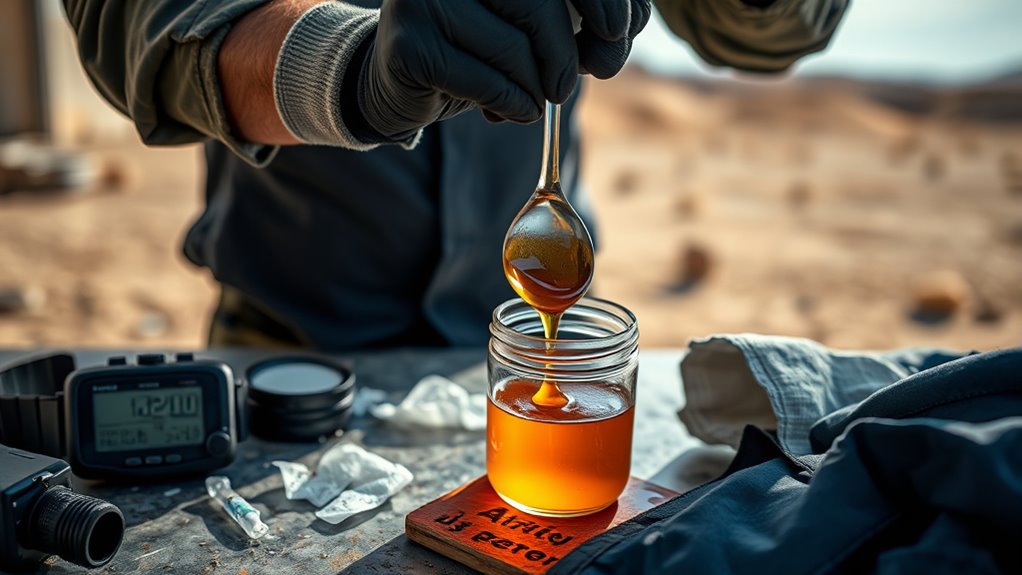
When people talk about “Military Honey” for men’s performance, the core claims usually center on improving energy and stamina, supporting testosterone or libido, and enhancing workout recovery and overall drive. You’ll hear it framed as a simple upgrade to training outcomes, often tied to honey benefits and “natural sweeteners.” Evidence supports honey’s carbohydrate content for short-term fuel, but claims about testosterone, libido, or direct hormonal shifts aren’t strongly established in rigorous human trials. You may see small studies suggesting antioxidant and anti-inflammatory effects that could modestly affect recovery, yet effects vary by dose and context. Clinically, you should treat these marketing promises as hypotheses: honey can complement nutrition, not replace training, sleep, and total calories.
How Honey Fuels Energy During Training
When you train, honey provides rapidly absorbed carbohydrates that can help top up blood glucose for higher-intensity work. Between sets, that quick fuel can support sustained effort by reducing the rate of carbohydrate depletion, especially if you take it in small doses. After training, the carbohydrate load may speed glycogen resynthesis, which supports faster recovery when paired with adequate protein and total calories.
Rapid Fuel For Workouts
Honey can give you quick, workout-ready energy because it delivers mostly carbohydrates—primarily glucose and fructose—that your body absorbs and uses to resynthesize ATP and maintain blood glucose during training. If you choose honey-based pre workout snacks, you’re topping up circulating fuel fast, supporting higher power output and reducing the risk of early performance drop when glycogen availability is limited. Clinically, these simple carbs can raise blood glucose quickly, which may help you sustain intensity in the session’s early and mid phases, especially in endurance-lean or high-rep work. Pair honey with easily digested options—like yogurt or banana—in energy boosting recipes to improve tolerability and timing. Aim for a small, fast dose 15–30 minutes pre workout.
Sustained Energy Between Sets
Between sets, honey helps you sustain work by supplying rapidly absorbed carbohydrates that keep blood glucose available for ongoing ATP production. If your training includes repeated efforts, you typically rely on circulating glucose to maintain power output and prevent a drop in energy levels. By ingesting honey between sets, you can top up glycogen availability at the cellular level indirectly, supporting sustained stamina during high-density circuits or intervals. Clinically, this aligns with carbohydrate timing research: moderate amounts consumed during short breaks can reduce perceived exertion and help preserve performance in subsequent bouts. You’ll benefit most when your work intervals are short and frequent, and when you match the honey dose to your session demands, aiming to avoid gastrointestinal upset.
Faster Recovery After Training
By supplying fast-digesting carbohydrates, honey can help you maintain higher-quality training output and then shift more smoothly into recovery-ready physiology. When you finish a hard session, your goal is rapid glycogen resynthesis and reduced perceived fatigue—key recovery strategies that support next-day performance. Using nutritional timing, take honey soon post-training, ideally within the first 0–2 hours, alongside protein or a balanced meal to improve total recovery. The fructose-glucose mix in honey may accelerate carbohydrate availability, helping restore muscle glycogen after repeated efforts. If you train intensely or do two-a-days, this approach can support readiness by improving energy replenishment and lowering recovery lag. Stay consistent with total calories and hydration.
The Truth About Honey and Endurance
If you’re using honey for endurance, the main performance driver is likely the carbohydrate it provides during long work bouts—not any special “secret” ingredient. Evidence from sports nutrition shows sugar like glucose and fructose can enhance intake and oxidation when timing matches your effort, supporting sustained power and delayed fatigue. The key is dosing and absorption: you’ll want to consume enough carbs early enough and in amounts you tolerate to avoid GI distress.
Honey Fuels Endurance Performance
While honey is often marketed as an “endurance fuel,” it’s the sugars in honey—mainly glucose and fructose—that drive the performance benefit during prolonged exercise. You can leverage honey benefits by matching carbohydrate delivery to your endurance training demands: it provides quick energy sources plus some nutritional value like trace minerals and antioxidants, depending on honey varieties. Clinically, mixed monosaccharides support higher rates of carbohydrate oxidation when compared with single-sugar options, which can help maintain power output and reduce perceived effort. In practice, honey acts as convenient workout fuel for events lasting >60–90 minutes, especially when you tolerate natural sweeteners well. Choose an appropriate dose, aim for steady intake, and use honey as a purposeful carbohydrate strategy to support athletic performance—not as a standalone “superfood.”
Sugar Absorption During Long Workouts
During long workouts, your ability to absorb and oxidize carbohydrates determines whether “honey fuel” actually supports performance or just sits in your gut. In practice, sugar absorption depends on intestinal glucose transporters and gastric emptying rate; if intake exceeds your gut’s capacity, you’ll get sloshing, discomfort, and reduced workout efficiency. For long sessions, aim for carbohydrate dosing that matches your tolerance—commonly 30–60 g per hour for many athletes—then maintain hydration to support normal sugar absorption. Honey’s fructose and glucose profile can influence sugar metabolism: fructose helps when glucose availability is limited, but excessive fructose may worsen absorption and GI symptoms. You’ll perform best when you test timing and dose during training, not race day.
Does Honey Really Improve Recovery?
How much can honey actually help your recovery after hard training? Based on performance science and nutritional facts, you should see honey as a carbohydrate delivery option, not a magic fix. Its honey benefits may support athletic recovery by replenishing muscle glycogen when paired with total daily calories and protein. Many Recovery myths exaggerate “natural supplements” effects beyond what the evidence supports. Think of honey as one of your energy sources: it provides simple sugars and fluid. The Glycemic index is relevant for timing, but recovery outcomes still depend on total carbohydrate dose, training load, and your protein intake. Clinically, honey won’t directly repair tissue faster than adequate nutrition, sleep, and structured recovery. Use it strategically, not exclusively.
Blood Sugar Spikes vs Steady Energy From Honey
Honey can raise your blood glucose quickly, which means you’ll get a faster carbohydrate availability than many lower–glycemic options—so that spike can help if you’re trying to replenish muscle glycogen soon after hard training. If you’re healthy, that rapid glucose delivery can support post-exercise refueling, but it also challenges blood sugar management by increasing glycemic excursions. In contrast, foods and strategies that deliver carbs more gradually can support energy stabilization, reducing peaks and troughs that may affect perceived energy and endurance pacing. Still, honey isn’t “bad” in all contexts: its fructose content and the timing of intake can blunt how fast glucose rises for some people. Use honey when speed matters; favor steadier carb sources for longer stretches.
How Much Military Honey Should You Take?

Timing and dose matter as much as the carb source. For “military honey,” think in grams of carbohydrate, not teaspoons. Most performance studies using honey-derived carbs align with common endurance fueling ranges: roughly 0.5–1.0 g carbohydrate per kg body weight per hour, adjusted to your training load and digestion. Start lower if you’re prone to nausea or GI distress, and build over sessions to find your Individual Tolerance. A practical Dosage Guidelines approach: aim for 25–35 g carbs per serving, then repeat based on how steady your energy stays. If you have diabetes, prediabetes, or use glucose-lowering meds, talk with a clinician and monitor blood glucose closely—honey can raise it quickly.
Best Times to Use Honey for Workouts
For morning pre-workout fuel, you can time honey to supply quick carbs when you’re still fasting, which may support training intensity. During high-intensity sessions, use honey shortly before or during work to maintain blood glucose and performance. After training, take it soon post-workout to provide rapid carbohydrate for recovery support alongside your protein intake.
Morning Pre-Workout Fuel
If you train in the morning, honey can be a practical way to top up carbohydrate right before you lift—especially when you’ve already fasted overnight. As performance-focused energy sources, honey provides rapidly absorbed sugars that help restore blood glucose and can support training intensity. This aligns with evidence that pre-exercise carbohydrate intake improves endurance and maintains higher power output when glycogen is limited. For honey benefits you’ll feel it most with shorter notice workouts: aim for 15–30 g carbs about 10–30 minutes pre-session, adjusting for tolerance and body size. Keep it simple—1–2 teaspoons in water or on toast—then reassess if you get GI discomfort. Pair honey with protein later if weight gain goals matter.
During High-Intensity Training
During high-intensity training, honey can be a useful, fast-digesting carbohydrate to help maintain power and delay fatigue—especially when sessions run longer than ~30 minutes or when you’re starting with less available glycogen. At higher training intensity, you can take 0.5–1.0 g/kg carbohydrate from honey during work bouts to support blood glucose availability and sustain performance, consistent with sports nutrition evidence on rapid carbs. Aim for small, frequent doses: about 1–2 teaspoons (15–30 g honey) every 15–20 minutes, adjusting to your tolerance and sweat rate. Pair it with water or an electrolyte drink to improve fluid balance and reduce GI stress. Focus on timing: use honey when you can’t rely on pre-workout stores, not as a substitute for overall nutrition.
Post-Workout Recovery Support
After your session, honey can help you kick-start recovery by supplying rapidly absorbed carbohydrates that replenish muscle glycogen and support the insulin response needed for efficient nutrient uptake. For post exercise nutrition, take honey soon after training—ideally within 0–2 hours—especially after high-intensity or endurance work when glycogen depletion is greater. Pair it with protein (e.g., whey or lean dairy) to enhance muscle protein synthesis; honey alone won’t cover that anabolic signal. This timing fits established recovery strategies: you’re optimizing nutrient delivery while your muscles are most receptive. If you’re training again the next day, use honey as a practical carb source in a small serving with your first post-workout meal or shake. Hydrate too, since dehydration can blunt recovery.
Military Honey vs Sports Drinks: Which Wins?
What actually separates Military Honey from sports drinks when you’re fueling hard training? If you want an evidence-based energy comparison, you’ll notice both can supply carbohydrate, but honey’s honey benefits often show up in how it’s packaged: natural sugars plus trace compounds can support palatability and gut tolerance during sustained efforts. Sports drinks may deliver faster or more standardized glucose, yet they also bring acids and electrolytes that some athletes find irritating when intensity spikes or hydration is already adequate.
Consider:
- Carb availability: honey provides fermentable sugars that match many athletes’ race fueling needs.
- GI comfort: honey can be easier on the stomach for some due to fewer additives.
- Metabolic support: both can sustain output; choice depends on your tolerance and training context.
Pick what keeps you absorbing consistently, not what’s trendiest.
Common Ingredients Paired With Honey Formulas
If you’re pairing honey for performance, you’ll want to look at ingredients with plausible, targeted benefits—like propolis for antioxidant/immune support, and ginseng for endurance-related effects in some studies. You can also consider ginseng/ginger together for metabolic and anti-inflammatory signaling, while oats may add sustained fuel via higher satiety and slower-release carbs. For blood-sugar and training tolerance, cinnamon is a common add-on, and tribulus is sometimes marketed for testosterone support even though human evidence is mixed.
Propolis, Ginseng, And Ginger
Propolis, ginseng, and ginger are common additions to honey-based men’s performance formulas because each targets a different, evidence-informed pathway—so you’re not relying on honey alone. You’ll often see propolis benefits framed around antioxidant and antimicrobial activity, which may support recovery when training stresses immunity. You’ll also notice ginseng effects aimed at fatigue resistance and exercise performance; several trials suggest improved endurance markers, though results vary by dose and extract. Ginger properties are frequently included for post-exercise soreness and inflammation modulation, aligning with mechanistic data on oxidative stress and cytokines. Together, herbal synergy can make natural supplements feel more purposeful than single-ingredient blends.
- Standardized extracts matter more than “proprietary” claims.
- Start low, monitor tolerance, and avoid interactions.
- Pair with sleep, carbs, and hydration for best outcomes.
Oats, Tribulus, And Cinnamon
Oats, tribulus, and cinnamon are common additions to honey-based men’s performance formulas because they each bring a different, mechanistically plausible target—carbohydrate support, possible androgen/drive modulation, and glucose control for steadier training fuel. Oats can provide fast-available energy plus beta-glucan; those oat benefits may support gut health and stable fueling. Tribulus effects are often marketed for libido or testosterone, but human evidence is mixed; if you use it, treat claims as tentative and monitor individual response. Cinnamon properties are more defensible: some trials suggest improved insulin sensitivity and post-meal glycemic control, which can help maintain training intensity. With honey, honey synergy can smooth carbohydrate intake and palatability, potentially improving adherence. Keep doses conservative, choose standardized extracts, and prioritize overall diet and sleep.
Sample Honey-Based Pre-Workout Mixes
When you’re building a honey-based pre-workout, start with the basics: honey can deliver fast-absorbing carbohydrates to support training intensity, and a modest amount—typically around 20–40 g carbs from honey—can help maintain performance during moderate-to-high intensity sessions. To apply honey benefits for pre workout nutrition, you’ll want simple blends that fit timing and tolerance. Mix honey with fluids you’ll actually drink, then standardize dose and carb load to reduce GI risk. Consider these evidence-aligned templates before lifting, running, or intervals:
- Honey + water + pinch of salt: 1–2 tbsp honey for quick carbs, especially in heat.
- Honey + Greek yogurt (small serving): add protein without overloading; ideal if your session is later.
- Honey + caffeine-free herbal tea: pair carbs with hydration for steady energy and reduced jitter.
Sample Honey-Based Recovery Mixes
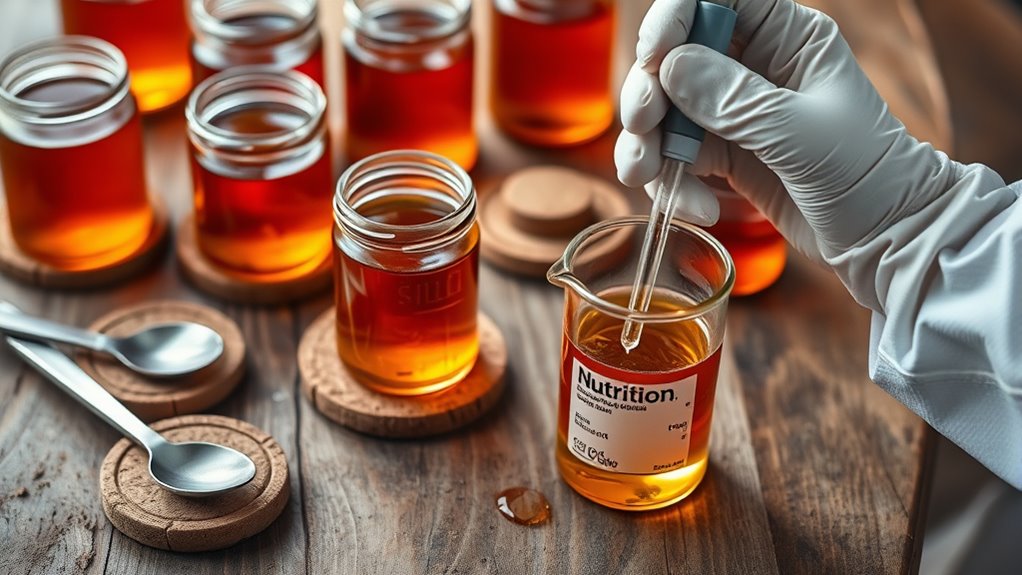
After you’ve used honey to fuel your workout, you can shift gears to support recovery by replenishing glycogen and promoting fluid/electrolyte balance without adding unnecessary GI load. In your honey nutrition plan, keep mixes simple and dose carbs soon after training. Try 1) 25–40 g honey in 500–750 mL water plus 300–600 mg sodium, sipped over 30–60 minutes. This targets post-exercise glucose availability while supporting hydration. 2) Honey + whey: 20–30 g honey with 25 g whey protein in 500 mL water; pair performance ingredients for muscle protein synthesis alongside glycogen. 3) Honey “electrolyte” gel: 20 g honey stirred into electrolyte drink, especially after sweat-heavy sessions. Adjust sweetness to your tolerance, aiming for light, well-tolerated GI response.
Avoid These Side Effects and Mistakes
To get the recovery benefits without derailing your training, avoid side effects that often come from timing errors, excessive dosing, or poor drink formulation. Evidence suggests post-exercise carbs plus fluid support glycogen resynthesis, but too much at once can cause GI distress, bloating, and reduced adherence. Stick to a consistent routine so your body isn’t guessing.
Post-exercise carbs and fluids help replenish glycogen—avoid timing or dosing mistakes to prevent GI distress and keep recovery on track.
- Time it right: aim within ~1–2 hours after training; late or skipped doses can blunt recovery signals.
- Control dosage mistakes: start low and scale; excessive sugar intake raises osmotic load and can trigger diarrhea.
- Use proper formulation: guarantee adequate water, avoid overly concentrated mixes, and consider electrolytes if you sweat heavily.
If you notice persistent stomach pain or reflux, back off and reassess.
How to Choose Real Honey for Performance
Choosing real honey that supports performance starts with verifying it’s actually honey and not a high-sugar substitute. Look for “honey” as the sole main ingredient, not “honey flavor,” syrups, or added glucose/fructose. Check the label for honey purity standards—regulatory markings, country of origin, and credible producer sourcing. For performance, you want consistent carbohydrate delivery to fuel training, plus bioactive compounds that may support oxidative stress balance; that’s where raw honey benefits come in, but only when the product is genuinely minimally processed. Prefer “raw” or “unfiltered” options with documented pollen content and no heat treatment claims that suggest high-temperature processing. Taste and texture can vary, yet crystallization doesn’t mean it’s fake. Store cool and sealed to preserve quality.
When the “Military Honey” Hype Doesn’t Hold Up
Even if a product markets itself as “military honey” for peak performance, the performance claims usually don’t hold up under scrutiny: most benefits you’ll see can be explained by plain honey’s carbohydrate content, not any unique, combat-proven formula. If you’re setting performance expectations based on military myths, you may miss the basics: honey helps mainly by providing fast, usable carbs for endurance and training fueling, not by conferring special recovery or immunity.
You can evaluate the hype by focusing on outcomes and dosage:
- Carb dose & timing: does the label match your workout needs?
- Evidence quality: are claims supported by controlled trials, not testimonials?
- Confounders: improved sleep, training changes, and total calories can drive results.
Without that, “military honey” is just marketing.
Common Questions
Is Military Honey Safe for Men With Diabetes or Prediabetes?
Yes—military honey can be safe for many men with diabetes or prediabetes, but only in controlled portions and with close glucose monitoring. It may offer some honey benefits, yet honey is still a fast-absorbing sugar; its glycemic index can vary by type and affects blood glucose. Clinically, treat it like carbohydrate: count it, start small, and pair it with protein/fiber. If you take insulin or sulfonylureas, talk to your clinician first.
Can Honey Boost Testosterone, Libido, or Muscle Growth Directly?
Yes, honey may indirectly support testosterone levels, libido enhancement, and muscle growth, mainly by improving diet quality and energy intake, not by acting as a direct hormone booster. Why expect a glucose-rich sweet to outperform proven drivers like adequate calories, resistance training, sleep, vitamin D, and zinc status? Evidence for honey specifically boosting testosterone or libido in humans is limited. If you’re deficient in key nutrients, honey-containing diets can help support overall performance.
How Long Before a Workout Should Honey Be Consumed for Best Results?
For best results, use honey 15–30 minutes before your workout. This pre workout timing supports fast carbohydrate availability, helping stabilize energy levels and may reduce perceived fatigue during higher-intensity sets. Aim for about 20–40 g carbs from honey (adjust for your size and training intensity), then pair it with protein if you’re doing longer sessions. If you’re training low-carb, you may skip it to avoid GI upset.
Does Honey Work Equally Well for Endurance Versus Strength Training?
Yes—honey can help both, but the payoff differs. About 1–1.2 g/kg carbs pre-exercise can improve endurance performance; honey’s glucose/fructose supply fits that role. For endurance benefits, timing around training and total carb intake matter most. For strength, strength differences show honey’s main effect is fueling training volume, not directly increasing muscle-building signals. Keep doses moderate (~30–60 g carbs) to avoid GI issues and match your overall nutrition plan.
What Evidence Exists Beyond Marketing for Military Honey Claims?
Evidence beyond marketing for “military honey” claims is limited. You can cite that honey has nutritional benefits (carbohydrates, small amounts of vitamins/minerals/antioxidants) and has historical uses as a wound healer and energy source. But clinical trials comparing honey to conventional sports gels for strength gains or battlefield performance are scarce and mixed. For endurance, honey sometimes helps via rapid sugars, yet effects vary by dose, timing, and study design.
Overall
“Military Honey” may offer quick, easy-to-digest carbs and a satisfying post-workout option, but the bold claims about hormones and libido are often more marketing than proven science. The smart call to action is to treat honey as what it’s best at: fueling performance during training and supporting your refuel afterward. Pick real, unadulterated honey, pay attention to your total daily sugar, and use it strategically around workouts—then build the rest of your results with proven fundamentals like adequate protein, overall calorie control, hydration, and consistent sleep.
Ready to use honey the right way? Start by choosing a high-quality honey you can verify, plan how much you’ll use based on your goals, and track how it fits your macros for a couple of weeks—so you’re not chasing hype, you’re coaching your body with data. If you want a simple, effective next step, apply a honey-centered fueling plan alongside your regular routine and adjust based on performance and recovery.