
What “Clinically Studied” Really Means on a Label
F**inding “clinically studied” on a label signals human testing, but matching ingredients, doses, and outcomes to you is still uncertain—read on.

F**inding “clinically studied” on a label signals human testing, but matching ingredients, doses, and outcomes to you is still uncertain—read on.

Discover how to research a supplement ingredient before buying—check evidence, doses, safety, and interactions so you don’t waste money on hype.

Proving ingredient synergy is hard because noise, drift, and confounding can mimic interactions, so what evidence could truly separate mechanism from coincidence?

I n human studies, treatment effects, adherence, and real-world risks emerge beyond animal dosing—pushing you to decide how, for whom, and for how long.

Owing to expectation, context, and labeling, placebo effects can subtly reshape how you feel supplements work—yet the biggest surprises are ahead.

Timely mineral choices can shift gut “competition,” since one mineral may block another’s absorption—discover how dosing and timing affect your mineral balance.

F**lushing after niacin happens when it activates GPR109A, triggering histamine release—learn how dose and timing affect severity and when it’s more serious.
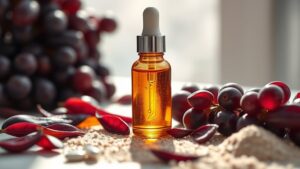
Maximize your wellness formula with grape skin extract’s resveratrol and flavonoid polyphenols, targeting oxidative stress and inflammation—read on for what to verify.

Saffron extract and mood support: research suggests crocins may ease anxiety and depression by affecting serotonin and inflammation—discover who benefits and why.

P**aying attention to your resting blood pressure matters because small, consistent shifts can reveal cardiovascular risk you might feel nothing of today.