
If you’re searching for Prostacyl to support prostate health, you’re probably looking for more than a generic “herbal blend.” The real value lies in how the formula’s ingredients work together—aiming at key drivers of prostate discomfort, including oxidative stress and inflammation, while also promoting urinary comfort. By understanding what each component is designed to do, you can make sense of how targeted nutrients and botanicals may contribute to everyday wellness rather than just short-term relief.
In this article, we’ll break down the ingredient lineup behind Prostacyl and explain the specific pathways they’re associated with—such as how some ingredients may help with symptom control, how minerals like zinc and selenium can support normal prostate function and antioxidant defenses, and why botanicals commonly used for urinary flow may be included. We’ll also cover what to look for next, including form, standardization, and overall safety, so you can evaluate whether the formula fits your goals.
Great Points
- Prostacyl is a prostate-support blend using evidence-informed nutrients and plant compounds aimed at antioxidant defense and inflammation signaling.
- It emphasizes standardized, clinically relevant extracts to ensure consistent potency and minimize fillers or unnecessary excipients.
- Key ingredients include saw palmetto, beta-sitosterol, zinc, selenium, and stinging nettle for urinary comfort and tissue support.
- Additional antioxidants like pumpkin seed, lycopene, and carotenoids help manage oxidative stress linked to prostate aging.
- Recommended use involves checking serving size, clinically studied dosages, and safety monitoring plus medication interaction review.
What’s in Prostacyl for Prostate Support
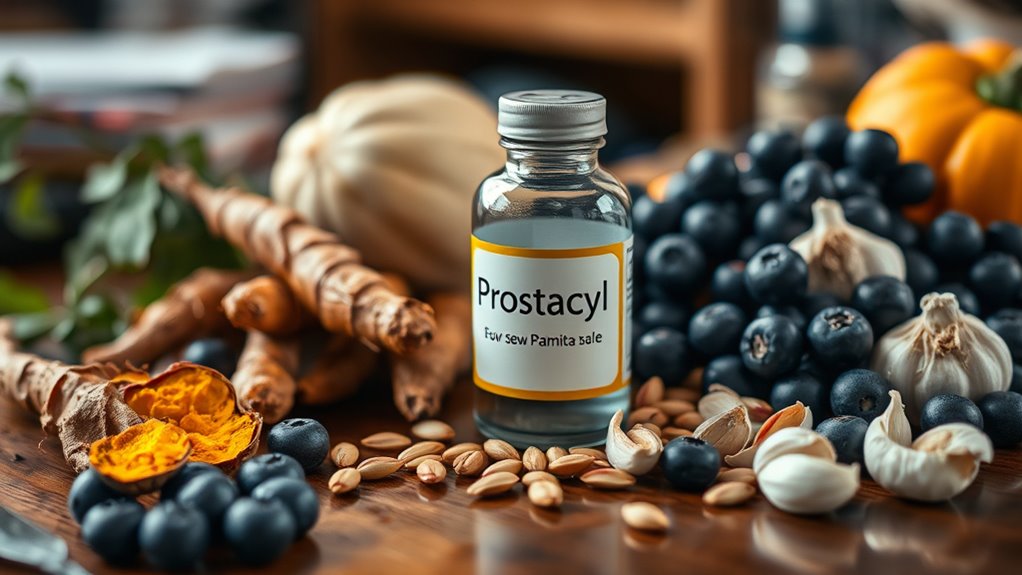
Prostacyl’s prostate-support approach is built on a blend of evidence-informed nutrients and plant-derived compounds, designed to complement key aspects of male reproductive health—especially normal prostatic function, antioxidant defense, and inflammation signaling. When you look at prostate health support, ingredient synergy matters: nutrients are selected to work alongside each other rather than in isolation. Prostacyl’s formula emphasizes antioxidants to help neutralize oxidative stress that can influence prostatic tissue. It also includes compounds aimed at supporting balanced inflammatory signaling, a key driver of discomfort risk as you age. Clinically minded positioning means you’re not chasing a single target; you’re backing multiple biological pathways—cell protection, redox balance, and signaling regulation—through carefully matched doses and complementary phytonutrients.
Saw Palmetto: What It Does and Why It’s Used
Saw palmetto extract is thought to work by inhibiting pathways linked to androgen signaling and prostate tissue inflammation, which may help explain observed symptom improvements in some men. If you’re targeting prostate discomfort, the best evidence most consistently relates to reductions in lower urinary tract symptoms rather than changes you can feel immediately. By supporting urinary flow and bladder function, it’s commonly used when symptoms like weak stream or frequent nighttime urination are present.
How Saw Palmetto Works
Although it’s widely marketed for urinary and prostate-related comfort, saw palmetto works mainly through biologically plausible mechanisms rather than a single “magic” pathway. You can think of it as a phytotherapeutic that may modulate androgen signaling and inflammation: its lipophilic sterols and fatty acids are linked to inhibition of 5-alpha-reductase activity in preclinical studies, and to downregulation of cytokine-related pathways that drive chronic prostatic inflammation.
Clinically, you’ll see that saw palmetto benefits are most often evaluated in urinary symptom cohorts, with effects typically emerging over weeks. If you’re considering saw palmetto dosage, look for standardized extracts used in trials (commonly 320 mg/day), and use consistent dosing rather than intermittent intake. Always assess tolerance and medication interactions.
Targets Prostate Discomfort
When you’re looking at saw palmetto for prostate discomfort, it’s helpful to connect the mechanism to the symptoms people actually report—like urinary frequency, weak stream, and a sense of incomplete emptying. In prostate health, discomfort often tracks with androgen-driven inflammation and tissue sensitivity, and saw palmetto’s lipidosterolic extract is used because it may modulate inflammatory signaling and support symptom perception over time. You should also consider lifestyle influences: hydration timing, reduced bladder irritants, and consistent activity can affect how strongly symptoms feel. Evidence remains mixed, but clinical use focuses on tolerability and gradual benefit rather than rapid effects.
- Evaluate symptom pattern, not just PSA changes
- Look for standardized extract dosing consistency
- Track response after 8–12 weeks
- Pair use with bladder-friendly habits
Supports Urinary Flow
If your main goal is better urinary flow, saw palmetto (typically a lipidosterolic extract) is used because it may help support prostate-related flow symptoms over time by influencing androgen-driven pathways and local inflammatory activity. You’re looking for evidence-linked mechanisms tied to urinary health and flow improvement, not quick relief. Clinical studies are mixed, but standardized extracts (e.g., lipido-sterolic form) are consistently emphasized over crude fruit preparations.
| Marker | What saw palmetto may affect | Relevance to flow improvement |
|---|---|---|
| DHT signaling | Androgen pathway modulation | Less prostatic growth pressure |
| Inflammation | Local cytokine activity | Reduced swelling-related resistance |
| Voiding symptoms | Storage/emptying balance | Potential symptom easing |
| Prostate tone | Smooth muscle support (indirect) | Better urine stream dynamics |
| Outcomes | Symptom score changes | Urinary health over months |
Beta-Sitosterol: How It Supports Urinary Comfort
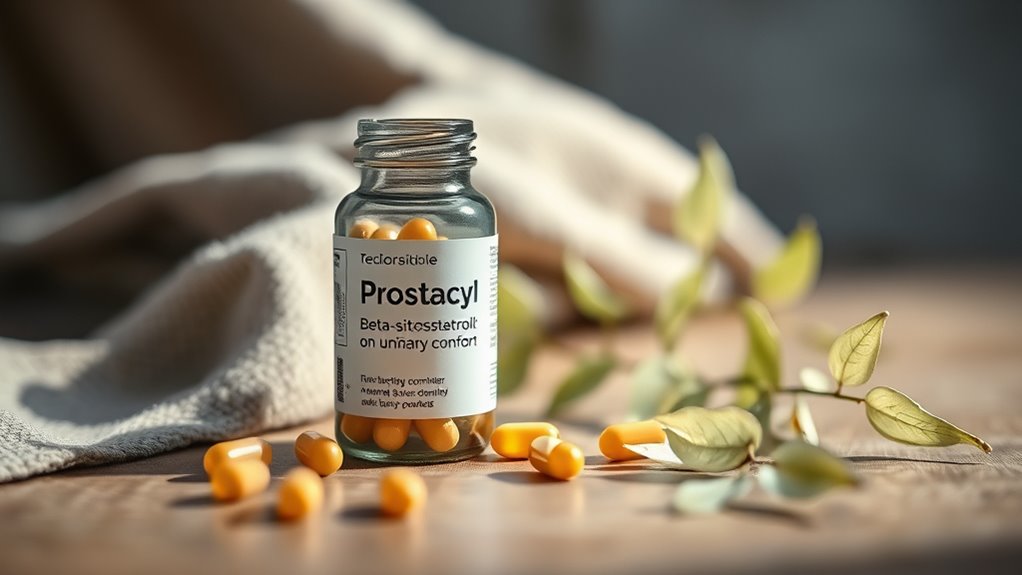
Beta-sitosterol, a plant sterol, may support urinary comfort by helping maintain bladder/prostate signaling involved in lower urinary tract symptoms. You can think of it as a nutrient-based option that supports prostate health naturally through cholesterol-pathway modulation and anti-inflammatory activity. By promoting a healthier prostate microenvironment, it may help you maintain urinary flow with fewer bothersome symptoms.
Beta-Sitosterol And Urinary Relief
Beta-sitosterol is a plant sterol that may support urinary comfort by helping regulate prostate-related inflammation pathways and influencing hormone balance at the tissue level. If you’re focused on urinary health, beta sitosterol benefits can matter because this compound is absorbed at low levels yet can interact with cellular signaling linked to swelling and irritative symptoms. Clinical-minded research suggests it may reduce inflammatory mediator activity and support smoother urinary function indirectly, rather than acting like a quick analgesic.
- Targets inflammation signaling relevant to urinary comfort
- May modulate tissue-level androgen effects
- Supports urinary health without harsh stimulants
- Complements lifestyle factors that influence symptom flare-ups
Supports Prostate Health Naturally
When you’re aiming for natural prostate support, beta-sitosterol may help by targeting inflammation signaling in the prostate and surrounding tissues, which can contribute to urinary discomfort. In clinical studies and mechanistic research, this plant sterol modulates immune and inflammatory pathways, potentially reducing cytokine-driven irritation. You may also see beta-sitosterol support via lipid-lowering effects and membrane stabilization in genitourinary tissues—both relevant to local inflammatory stress. As a nutrient-focused option, it fits evidence-aligned natural remedies and holistic approaches by complementing diet patterns rich in phytosterols, fiber, and micronutrients that influence inflammation balance. If you use Prostacyl-type formulations, consider them as part of a broader strategy: consistent nutrition, symptom tracking, and appropriate medical guidance when needed.
Helps Maintain Urinary Flow
Beyond supporting inflammation signaling, beta-sitosterol may also help you maintain urinary flow by addressing some of the downstream processes linked to lower urinary tract symptoms. In evidence-informed nutrient terms, this phytosterol can influence cellular pathways involved in prostate/urinary tract function, supporting urinary health and flow improvement.
To keep your urinary comfort on track, you can consider how beta-sitosterol may:
- Modulate inflammatory mediators in the lower urinary tract.
- Support epithelial and smooth-muscle signaling tied to voiding.
- Improve symptom patterns associated with weak stream and hesitancy.
- Pair with overall diet-based strategies that reinforce urinary health.
If you’re tracking outcomes, watch for changes in stream caliber, nighttime frequency, and post-void fullness over time.
Zinc and Selenium: Roles in Male Prostate Wellness
Zinc and selenium are two trace minerals that support male prostate wellness through distinct, evidence-aligned mechanisms. You can use zinc benefits to back prostate tissue integrity: zinc accumulates in prostatic fluid, supports antioxidant enzyme systems (e.g., Cu/Zn-SOD), and helps regulate inflammation and cell signaling. If your intake is low, oxidative stress and prostatic dysfunction risks may rise. Selenium, delivered via selenium sources such as Brazil nuts, seafood, and eggs, contributes to redox control through selenoproteins and glutathione peroxidases. These proteins reduce lipid peroxidation and modulate immune responses linked to chronic inflammation. Together, zinc and selenium may help maintain a more resilient prostate microenvironment, particularly when dietary patterns don’t consistently meet micronutrient needs.
Stinging Nettle: Helping With Urinary Flow
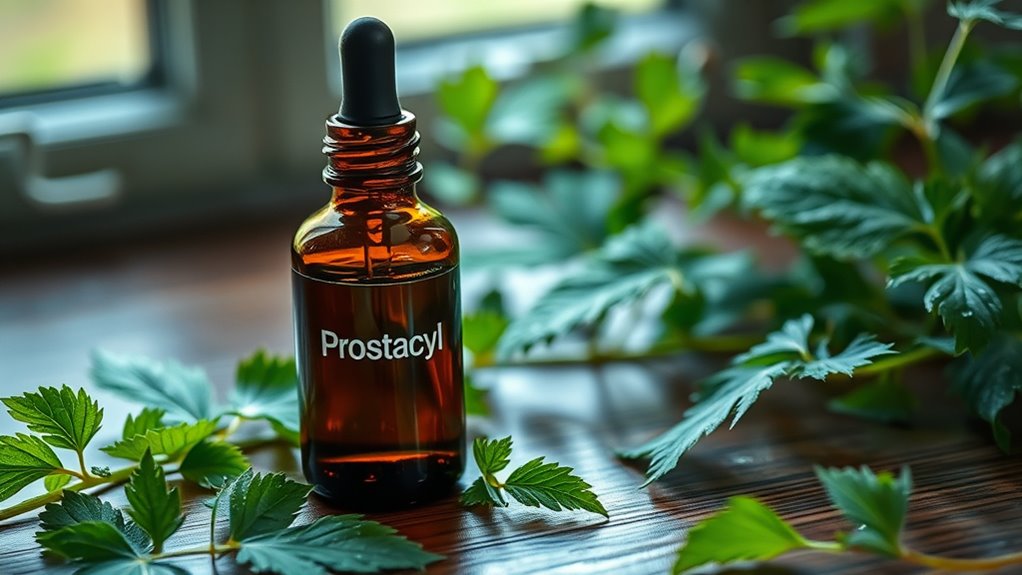
You may find stinging nettle helpful for urinary flow, with early clinical evidence suggesting it can support bladder outlet function. Some trials also report reduced urinary discomfort scores, aligning with its traditional use for bladder health. If you’re considering nettle, choose standardized extracts and monitor symptoms—especially if you take anticoagulants or have prostate-related medication.
Nettle Supports Urinary Flow
Stinging nettle (Urtica dioica) may support urinary flow by influencing pathways involved in bladder function and lower urinary tract symptoms. In the context of urinary health, this herb is one of the herbal remedies you can consider when thinking about functional flow, not “quick relief.” Clinical-minded evidence suggests nettle leaf extracts may affect smooth-muscle tone and inflammatory signaling in the lower urinary tract, which can be relevant to flow dynamics.
- Standardized leaf extract: target consistent active constituents for urinary health.
- Smooth-muscle modulation: may support bladder outlet function.
- Anti-inflammatory pathways: could influence lower urinary tract signaling.
- Nutrient-minded approach: pair with hydration and supportive diet.
You should still discuss use with a clinician if you have prostate-related conditions or take medications.
May Reduce Urinary Discomfort
Alongside supporting urinary flow, stinging nettle (Urtica dioica) may help reduce urinary discomfort by modulating lower urinary tract signaling involved in inflammation and smooth-muscle tone. If you’re dealing with urinary urgency, you may notice less sensation-driven irritation as nettle’s phytochemicals (including flavonoids and lectins) can influence inflammatory mediators and bladder smooth-muscle activity. Clinical research in lower urinary tract symptoms suggests symptom improvement rather than direct analgesia, so the effect is typically gradual and symptom-linked. For many people, comfort during the day matters most, but nettle may also be relevant to nighttime awakenings by supporting more stable bladder function overnight. You’ll want to track timing and intensity of burning or pressure to judge response.
Traditional Use For Bladder Health
Traditional use of stinging nettle (Urtica dioica) centers on supporting bladder and urinary flow, aligning with the herb’s long-standing reputation in European folk practices for “urinary” complaints. If you’re interested in bladder function, you’ll want to look at stinging nettle as one of the most studied herbal remedies traditionally used for better flow and comfort, especially when symptoms suggest functional urinary issues.
- Diuretic activity: nettle may promote gentle urine output, potentially easing flow resistance.
- Bioactives: phenolics and lectins are considered relevant for urinary tract support.
- Nutrient profile: minerals and organic acids may help maintain normal fluid balance.
- Clinical context: you’ll still assess causes with a clinician; it isn’t a stand-in for treatment.
Pumpkin Seed Extract: Antioxidant Support for Men
Pumpkin seed extract is a nutrient-dense ingredient that’s been studied for its antioxidant potential and relevance to men’s health. As you look for prostate support, focus on pumpkin benefits linked to antioxidant properties from bioactive compounds such as phenolics, tocopherols, and phytosterols. In clinical and preclinical research, these antioxidants help neutralize reactive oxygen species and may support cellular defense in tissues exposed to oxidative stress. You’re also getting supportive micronutrients—like zinc and magnesium—that contribute to antioxidant enzyme function and normal inflammatory balance. For best evidence-based use, choose standardized extracts with defined phenolic content, and use them consistently alongside your overall diet and lifestyle.
Lycopene and Other Carotenoids in Prostate Health
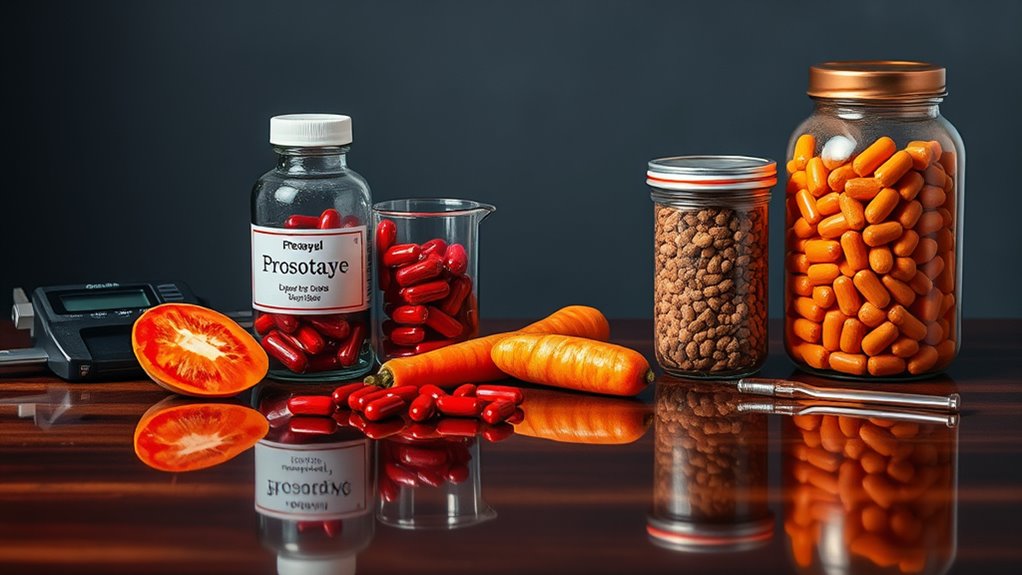
Lycopene and related carotenoids are well-studied plant compounds that may support prostate health by helping manage oxidative stress and inflammation. You’ll find that carotenoids act as antioxidants, potentially lowering cellular damage that can accompany aging and prostatic disorders. Evidence from observational studies links higher dietary intake—especially from lycopene benefits-rich foods—with lower prostate cancer risk markers, though causality isn’t fully proven.
Lycopene and carotenoids may support prostate health by easing oxidative stress and inflammation, with observational links to lower cancer risk.
- Key antioxidant action: quenching reactive oxygen species and reducing lipid peroxidation.
- Inflammation modulation: influencing cytokine signaling in preclinical models.
- Dose relevance: higher serum lycopene correlates with greater antioxidant capacity.
- Carotenoid sources: tomatoes (cooked), tomato products, watermelon, pink grapefruit, plus minor roles for beta-carotene and lutein.
How These Prostacyl Ingredients May Work Together
When you combine Prostacyl ingredients like lycopene-rich carotenoids with complementary antioxidant and anti-inflammatory nutrients, you may get a broader, more coordinated biological effect than any single compound alone—because they can target multiple steps in the oxidative-stress and inflammatory pathways linked to prostate aging. This is ingredient synergy in action: carotenoids can help quench reactive species, while other nutrients support endogenous defenses and modulate inflammatory signaling. You’re fundamentally applying a holistic approach to nutrient timing and tissue exposure: different compounds may work in parallel rather than sequentially, lowering oxidative burden while dampening pro-inflammatory mediators. Clinically, this concept aligns with how polyphenols, fatty-acid derived mediators, and immune-modulating micronutrients often show additive or synergistic effects in observational studies and intervention trials.
Ingredient Quality: Standardized Extracts vs. Fillers
When you choose prostate support, prioritize standardized extracts so each dose delivers consistent, clinically relevant levels of active compounds. Look for products that use minimal fillers and excipients, since unnecessary added materials don’t contribute to nutrient or biologic target activity. By focusing on extract consistency and purity, you improve dosing reliability and make outcomes easier to interpret.
Standardized Extracts For Consistency
Standardized extracts matter because they keep the active compounds consistent from batch to batch, which is exactly what you need if you’re trying to evaluate dose and outcomes reliably. When you choose standardized extracts, you’re getting clear standardization benefits: the same marker compounds and similar extract potency, so your prostate-support formula behaves more predictably in real use. Clinically minded product design favors quantified extracts over variable botanicals, because biological effects depend on dose accuracy. Focus on the extraction process and verification testing—think standardized ratios, chemical fingerprinting, and label-verified potency.
- Reduced variability improves dose–response clarity
- Batch testing supports extract potency claims
- Consistent actives help track symptom changes
- Reliability strengthens evidence from studies and follow-up
Minimal Fillers For Purity
Choosing minimal fillers helps protect the integrity of a prostate-support formula. If you prioritize ingredient sourcing, you reduce the likelihood of unnecessary binders, colorants, or starches that can dilute active phytoconstituents. In clinical terms, “standardized extracts” aim to deliver consistent marker levels, while fillers add mass without proven prostate-relevant bioactivity.
| Component | Purpose | Purity impact |
|---|---|---|
| Standardized extract | Marker-defined actives | High |
| Inert cellulose | Tablet disintegration | Low |
| Magnesium stearate | Lubrication | Variable |
| Natural coating | Stability | Low–moderate |
| Flavor/sweetener | Palatability | Moderate |
You should expect tighter quality assurance: verified COAs, contaminant testing, and batch traceability. That’s how you support a nutrient-focused, evidence-based approach rather than chasing volume.
Dosage and Serving Size: What to Check on the Label
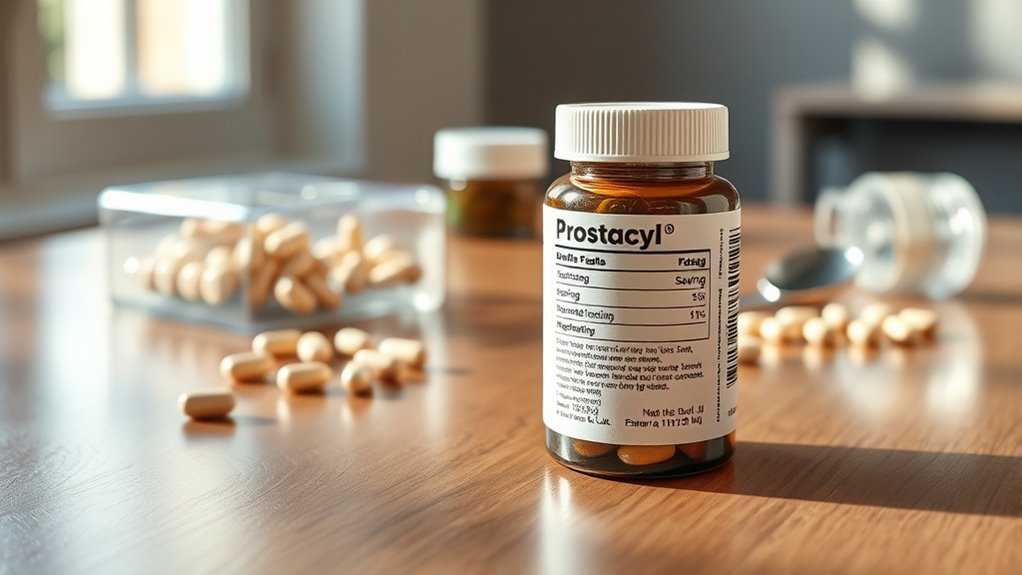
Before you buy or use any prostate support supplement, you should check the label’s dosage and serving size so you can match your intake to the product’s actual nutrient amounts. Start with label inspection: confirm how many servings are in the bottle and what “one serving” contains. Then follow dosage guidelines that align with the specific clinically studied nutrients, not just the marketing dose. Don’t assume the capsule count equals the serving size—some labels require 2–3 per serving. Next, compare the nutrient amounts per serving to your goals and any other sources you’re already using (e.g., diet or other supplements).
- Serving size (capsules/scoops)
- Nutrient quantity per serving
- Daily serving instructions
- Total daily amounts vs your regimen
Form Matters: Capsules, Softgels, and Absorption
The form you pick matters because it can change how reliably you absorb the active nutrients, which ultimately affects how well they support prostate health. You should compare formulation differences: capsules and softgels differ in disintegration, release, and whether actives are delivered in oil or powder. In general, fat-associated compounds may show more consistent absorption from softgels, while dry powders inside capsules can vary with gastric conditions. Looking at capsule benefits, you get straightforward release but sometimes lower, more variable absorption rates if mixing is poor. Softgel advantages often include improved bioavailability for lipophilic ingredients. Here’s a practical comparison:
| Form | Typical behavior |
|---|---|
| Hard capsule | Water-based disintegration |
| Softgel | Lipid-based release |
| Enteric-coated capsule | Slower stomach transit |
| Refrigerated softgel | Stable membrane integrity |
| Powder fill capsule | Greater mixing variability |
Safety Considerations When Using Prostacyl
When you take Prostacyl, it’s important to treat it like any other evidence-based supplement: focus on safety, tolerability, and fit with your personal risk factors. Even though ingredients are designed for prostate support, you should monitor for side effects, especially during the first 2–4 weeks. Discuss your full supplement and medication list with a clinician to reduce interaction risks.
- Track blood pressure, urinary symptoms, and GI comfort to catch early side effects.
- Follow label dosing; more isn’t better and can increase adverse reactions.
- If you take anticoagulants, antiplatelets, or hormonal therapies, ask about interaction risks.
- Stop and seek care if you develop rash, severe abdominal pain, or persistent dizziness.
Who Prostacyl Is Best Suited For and When to Avoid
Prostacyl tends to be best suited for adults who want prostate-targeted nutrient support and who can follow the label dosing consistently, while paying attention to baseline urinary symptoms and overall tolerability. If you’re tracking urinary frequency, nocturia, and stream strength, you’ll be in a better position to judge effects and optimize supplement timing.
| Best suited if you… | Likely benefit focus | Use notes |
|---|---|---|
| Want prostate health nutrient support | Antioxidant/micronutrient support | Take per label |
| Have stable, mild symptoms | Tolerability monitoring | Consider timing with meals |
| Prefer daily adherence | Consistent intake | Avoid missed doses |
You should avoid or consult your clinician first if you’re on anticoagulants, have severe urinary retention, active prostate cancer under treatment, or unexplained hematuria. Stop and seek care if symptoms worsen quickly.
How to Choose a Prostate Supplement Like Prostacyl
Wondering how to choose a prostate supplement like Prostacyl? Start with evidence: look for clinically studied ingredients and read for human data on prostate health and symptom outcomes. Then, check formulation quality—active dosages should match what trials used, not just branded extracts. Next, verify standardization (e.g., % content of key phytochemicals) and confirm third-party testing for purity and contaminants like heavy metals. Consider your goals: some blends target inflammation, others support urinary flow or oxidative stress, so align the ingredient profile with your priorities for supplement efficacy. Finally, evaluate contraindications and timing: if you take anticoagulants, hormone agents, or have kidney issues, talk to your clinician before starting.
- Review ingredient research
- Confirm standardized doses
- Choose tested brands
- Match targets to goals
Common Questions
How Quickly Might Prostacyl Improve Urinary Symptoms After Starting?
You might notice urinary frequency and other urinary symptoms improve within 1–2 weeks, but for some people symptom relief takes 4–8 weeks, especially if baseline inflammation or prostate enlargement is involved. Evidence for many prostate-support nutrients is modest; results vary by dose, formulation, and diet. If you don’t see any improvement by 6–8 weeks, or symptoms worsen, you should talk with a clinician to rule out infection, retention, or other causes.
Can Prostacyl Be Taken With Prescription Prostate or Blood-Thinning Medications?
Yes, but you should confirm with your clinician first—drug interactions and medication safety matter. Prostacyl’s ingredients may have additive effects if you’re on prescription prostate meds (e.g., alpha-blockers, finasteride, tadalafil) or blood thinners (e.g., warfarin, apixaban, clopidogrel). Evidence on many supplement–drug combinations is limited, so don’t start or adjust doses yourself. Provide your full medication list, and monitor for bruising, bleeding, dizziness, or urinary changes.
Is Prostacyl Suitable for Men With Prostate Enlargement From Different Causes?
Yes, Prostacyl is generally suitable for men with prostate enlargement from different causal factors, but you shouldn’t treat it as a primary therapy. Evidence-based reviews of nutrient support suggest it may complement conventional treatment options by targeting diet-related cofactors and inflammatory balance. Because enlargement can stem from BPH, prostatitis, or other causes, you’ll want clinician-guided evaluation and monitoring before use, especially if symptoms are severe or rapidly worsening.
Does Prostacyl Affect PSA Testing Results or Prostate Screening Accuracy?
Yes—Prostacyl is unlikely to materially distort PSA lab results, but it can’t be guaranteed. Evidence for most prostate-support nutrients suggests they may influence PSA fluctuations indirectly via inflammation or antioxidant effects, not by interfering with assay methods. Still, any supplement use can change prostate physiology, so you should tell your clinician and time testing consistently. This helps screening implications remain interpretable when evaluating trends and prostate screening accuracy.
What Side Effects Are Most Common With Prostacyl, and When Should I Stop?
You’ll most often see mild common reactions with Prostacyl—GI upset (nausea, diarrhea, stomach cramps), headache, and occasional dizziness or rash. If you notice allergic symptoms (hives, swelling, trouble breathing), stop right away and seek care. For safety precautions, pause before surgery or if you’re on blood thinners, and report any worsening urinary symptoms. Stop and contact your clinician if side effects persist beyond a week or become severe.
Overall
Prostacyl’s evidence-aligned formula is built to support the prostate through multiple key pathways, combining standardized ingredients such as saw palmetto and beta-sitosterol with supportive micronutrients like zinc and selenium to help regulate oxidative stress and inflammatory signaling. Stinging nettle is also included for urinary flow support, rounding out a targeted approach designed for day-to-day comfort and steadier function over time.
If you’re looking for a supplement that prioritizes consistent, standardized nutrient delivery, Prosterol’s ingredient-focused design is a smart place to start—especially if you want to minimize unnecessary fillers and maximize what matters for prostate support. Take the next step toward a more consistent support routine today:
3 thoughts on “Prostacyl: Exploring the Ingredients Behind Prostate Support”