
If you’re exploring Semenax, you’re likely looking for more than a catchy label—you want to know whether it can genuinely support sperm health. The brand positions its formula around antioxidants and “hormonal support,” with promises that may sound appealing if you’re dealing with lower sperm count, reduced motility, or broader reproductive wellness concerns. But supplements live and die by evidence, not enthusiasm, so the real question is what’s been shown in human studies—and under what conditions.
In this article, we’ll take a closer look at what Semenax claims to do and separate marketing language from clinical reality. You’ll learn how its ingredients are intended to work, what the research says about their effectiveness, and what dosage and timeframe matter when fertility outcomes are on the line. We’ll also cover key safety considerations—especially for anyone taking medications or working with a clinician—so you can decide with confidence rather than guesswork.
Great Points
- Semenax is marketed as a men’s reproductive wellness supplement, aiming to support sperm production and reproductive health.
- Evidence for semen-parameter or live-birth improvements is limited, so benefits may rely on general nutritional support rather than proven outcomes.
- Key ingredients emphasize antioxidant, hormonal, and metabolic pathways to reduce oxidative stress and support spermatogenesis.
- Check exact per-serving ingredient dosages and treatment length, typically weeks, since semen changes require time.
- Review safety details and potential drug interactions before use, since supplement marketing may outpace clinical evidence.
What Semenax Claims to Support in Men’s Health

Semenax is marketed as a men’s reproductive wellness formula, and its supporting claims typically focus on helping men maintain key aspects of fertility and sexual health—especially sperm-related performance and reproductive function. As you review the label, you’ll usually see intent to support sperm production, with the premise that better nutritional status may help normal reproductive health processes.
Clinically, it’s important to separate supportive mechanisms from proven outcomes. Many product claims extrapolate from general micronutrients or herbal compounds that influence oxidative stress or hormonal signaling. But evidence that an ingestible formula improves semen parameters or live-birth outcomes in humans is often limited or inconsistent.
Who Semenax Is For: and Who Should Skip It
Wondering whether Semenax is a good fit for you? If you’re generally healthy and looking for Men’s health support as an add-on to diet, sleep, and stress management, you may consider it. Still, evidence for most reproductive wellness supplements is limited; focus on realistic goals and use it only if you can tolerate the ingredients. You should skip Semenax (or talk to your clinician first) if you’re under 18, trying to conceive with known infertility factors, have a hormone-sensitive condition, take anticoagulants, or use multiple supplements already. If you have kidney or liver disease, pregnancy risk for a partner, or unexplained testicular pain, don’t self-treat. Ask about Supplement alternatives with stronger safety data.
How Semenax Works to Support Male Reproductive Wellness
You can think of Semenax as supporting male reproductive wellness by targeting hormonal balance and key reproductive health pathways that influence fertility-related outcomes. Its ingredient profile is designed to complement evidence-informed mechanisms, such as supporting androgen-related function and reducing oxidative stress to help protect reproductive tissues. As with any supplement, you’ll want to review ingredient specifics and discuss your health history with a clinician—especially if you have hormonal disorders or are using fertility-related treatments.
How Semenax Supports Hormones
Even though male hormone levels can fluctuate due to age, stress, sleep, and metabolic factors, Semenax is designed to support the hormonal environment that’s involved in reproductive health. You can think of it as a targeted approach to help maintain hormonal balance in the day-to-day context where normal physiology varies. By supporting pathways associated with endocrine signaling, Semenax is intended to promote steadier testosterone levels rather than dramatic swings. Clinically, consistent androgen signaling underpins libido, energy, and fertility-related processes, so stabilizing the hormonal milieu may improve how you feel and function. When you take Semenax regularly, you’re aligning supplementation with your body’s natural rhythms—supporting reproductive-wellness goals while avoiding short-term, reactive changes.
Ingredients Target Reproductive Health
Semenax combines a focused blend of ingredients selected to support male reproductive wellness by targeting key mechanisms involved in sperm production and overall reproductive function. You’ll notice the formula emphasizes clinically relevant pathways: antioxidant defense to help protect sperm from oxidative stress, metabolic support for healthy sperm development, and nutritional cofactors linked to normal semen parameters. Rather than isolated components, you benefit from ingredient synergy—plant-derived compounds and other nutrients designed to work together to maintain cellular function and support reproductive tract health. When herbal benefits are considered in context, you’re fundamentally aiming at measurable targets: motility, viability, and DNA integrity, alongside systemic well-being. As with any supplement, results vary; you should choose it to complement, not replace, evidence-based medical care.
Ingredients List Breakdown for the Semenax Formula
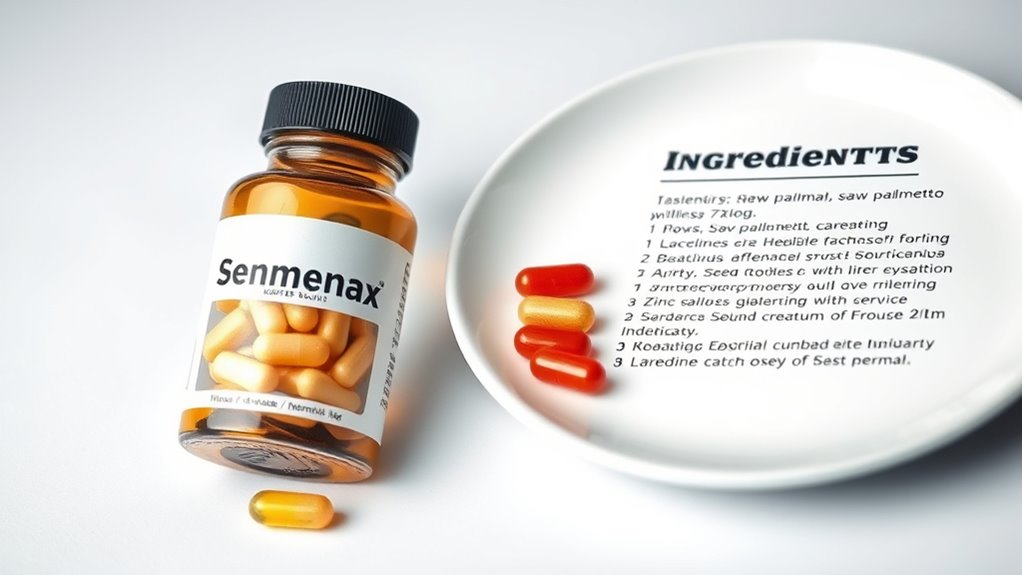
You’ll want to understand the Semenax key ingredients and what each is intended to support—because targeted roles matter for clinical plausibility. Next, you can review how the herbal extracts contribute alongside the vitamins and minerals, focusing on evidence-based mechanisms and safety. Finally, look for how these nutrients work in synergy (not isolation) to support outcomes like semen parameters and overall reproductive health.
Key Ingredients And Roles
Semenax’s formula is built around a targeted set of nutrients and botanicals chosen for reproductive-health mechanisms that relate to sperm production, motility, and oxidative-stress balance. For you, the key ingredient benefits center on supporting testosterone-related pathways, protecting sperm membranes, and improving functional motility—factors strongly linked to fertility outcomes. In formulation insights, you’ll typically see antioxidants prioritized to reduce oxidative stress, a major driver of sperm DNA damage and decreased movement. Essential minerals and amino-acid cofactors are included to sustain seminiferous tubule activity and normal spermatogenesis. You also benefit from nutrient support that helps maintain intracellular energy availability in sperm cells, which can translate into more effective forward motion. Overall, each component’s role maps to clinically relevant endpoints.
Herbal Extracts In Formula
| Herbal extract | Likely focus (evidence-informed) |
|---|---|
| Saw palmetto | Prostate/androgen balance support |
| Ashwagandha | Stress-related hormonal signaling |
| Panax ginseng | Seminal quality, energy metabolism |
| Maca root | Libido and reproductive resilience |
When you review extract sources, look for verified identity, standardized markers, and clean supply chains. If you have hormonal conditions or take finasteride, anticoagulants, or sedatives, talk to your clinician first.
Vitamins Minerals Synergy Explained
A targeted blend of vitamins and minerals can work synergistically to support the key building blocks of male reproductive health—namely antioxidant defense, hormone signaling, sperm production, and motility. When you review Semenax’s ingredient concept, you’re looking for nutrients that complement each other’s roles rather than act in isolation. For example, antioxidant vitamins and mineral cofactors can help reduce oxidative stress that impairs sperm DNA and membrane function. At the same time, zinc and selenium–type micronutrients are linked to androgen regulation and testicular physiology, supporting more consistent sperm output. You also benefit from attention to vitamin absorption and mineral balance, since excess or deficiency can blunt effectiveness and increase side effects risk. In practice, you’d use this framework to match intake to baseline lab needs.
Which Semen and Fertility Ingredients Matter Most
When you’re evaluating a men’s fertility and semen-support formula, which ingredients are most likely to matter comes down to evidence for improving semen parameters—especially sperm count, motility, and morphology—and supporting the upstream biology that drives sperm production. Prioritize compounds with human data for oxidative stress reduction, because reactive oxygen species can impair membrane integrity and motility. Look for nutrients tied to DNA protection and mitochondrial function, which support normal morphology and forward progression. You should also consider ingredients that influence fertility hormones and the endocrine signals that regulate sperm production, since disrupted hormonal tone can lower output even when sperm quality is otherwise supported. If you’re choosing between products, compare the specific studies, dosages, and safety profiles rather than broad “proprietary blend” promises.
How “Vitality” and Libido Claims Are Typically Framed
Libido and “energy” claims in men’s reproductive supplements are usually framed around broad improvements in sexual interest, energy, and performance, often without separating direct effects on semen parameters from unrelated changes like mood, perceived fatigue, or vascular comfort. When you see “stronger stamina” or “more desire,” ask what outcome was measured: was libido perception assessed with validated questionnaires, or inferred from sales-style testimonials? Evidence-based labeling should distinguish sexual function from general wellbeing, because energy misconceptions can blur associations—e.g., improved mood may raise desire without changing sperm quality. You should also look for clear mechanistic rationale and clinically meaningful endpoints (frequency of intercourse, erectile function scores, semen analyses), rather than umbrella language that overpromises.
What Dosing Information to Look for on the Label
Next, check whether the label gives dosing details that you can actually verify against clinical outcomes—especially if a product claims effects on sperm quality, semen volume, or reproductive hormones rather than just general “vitality.” Look for a clearly stated serving size (e.g., number of capsules/tablets or grams), the exact amount of each ingredient per serving, and dosing instructions tied to the product’s study duration (commonly weeks for semen parameters).
Use strict label clarity to compare what you’ll take to what was studied in trials—dosing guidelines should match the mechanism and endpoint timing. Quick checklist:
Use strict label clarity: match exact servings and ingredient amounts to trial dosing and semen-hormone outcome timelines.
- Serving size you can measure daily.
- Ingredient grams/milligrams per serving, not ranges.
- Treatment length (e.g., 8–12 weeks) aligned with semen parameter outcomes.
If those elements are missing, you can’t judge clinical plausibility, safety, or benefit.
Where Supplement Marketing Can Get Misleading
Supplement marketing can be misleading because labels and ads often blur the line between what was measured in clinical trials and what’s only inferred from ingredient theory. You should expect misleading claims and recognize marketing tactics that “imply” benefits without showing study endpoints like semen volume, motility, or time-to-response. When brands spotlight ingredient amounts, you can’t assume bioavailability, dose-response, or that the final product was tested as-is.
| Claim format | What it suggests | What to verify |
|---|---|---|
| “Boosts testosterone” | Endocrine change | Hormone outcomes in trials |
| “Improves sperm health” | Fertility metrics | Motility/morphology data |
| “Clinically proven blend” | Product-level evidence | Study methods, comparator |
Safety, Side Effects, and Interactions to Consider
When you’re evaluating a fertility or testosterone-support formula like Semenax, it’s not enough to look at marketing claims—you also need to understand safety, likely side effects, and interaction risks based on what’s known about each ingredient and similar clinical use. Prioritize safety protocols: review ingredients, dosing, and quality (third-party testing), and verify contraindications with your clinician. Watch for side effects such as GI upset, headache, or libido changes, and use side effect management strategies (dose timing, hydration, discontinuation if symptoms worsen). Consider potential interactions if you take anticoagulants, antihypertensives, diabetes meds, or hormonal therapies, since herb or nutrient components may alter metabolism or signaling. Review user experiences, but treat them as signals, not proof.
- Check for allergies and drug interactions.
- Monitor adverse symptoms early.
- Reassess if benefits don’t outweigh risks.
What to Expect in Results From Semenax
You’ll typically see results from Semenax—if they happen at all—within a few weeks, but the exact timeline depends on the ingredient profile, your baseline reproductive and hormone markers, and how consistently you take it. In clinical practice, effects on semen parameters or related biomarkers aren’t instant; you’re usually looking for gradual changes that track with spermatogenesis cycles and adherence. By 4–8 weeks, some men report improvements in perceived energy or libido, while objective measures like sperm concentration, motility, or volume may take longer to reflect. You should treat early “wins” as signals, not guarantees, and confirm with lab testing rather than solely relying on user testimonials. If you’re not seeing benefit by the next measurement window, discuss next steps with your clinician.
How Semenax Compares to Other Male Reproductive Supplements
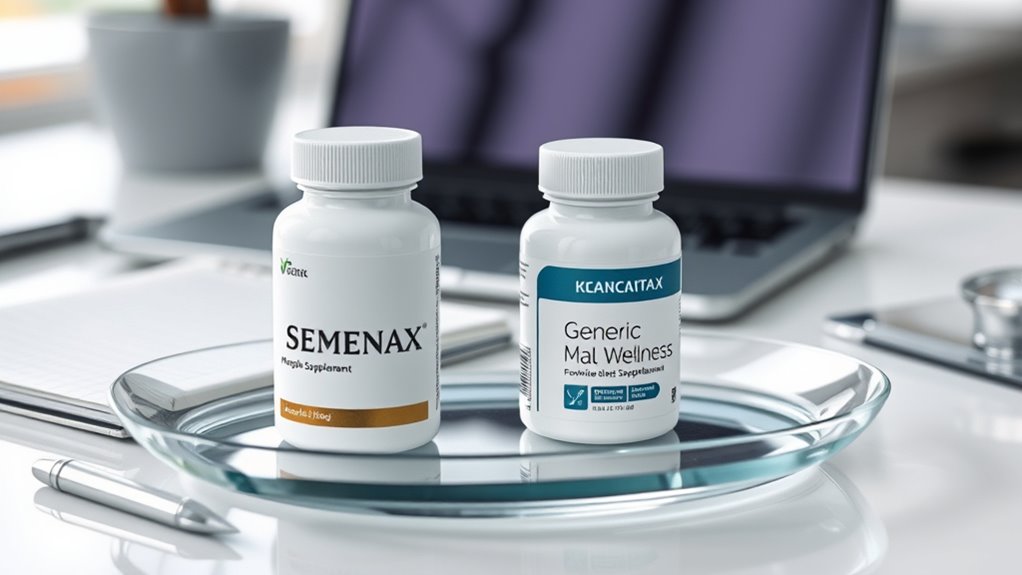
When you compare Semenax to other male reproductive supplements, start with the ingredient profile—dose, form, and whether each component matches what clinical studies have tested. Next, look closely at evidence and clinical claims: reputable products should align with human data for outcomes like sperm parameters rather than relying on testimonials or broad marketing language. Finally, assess value versus comparable brands by comparing standardized doses and total cost per effective day, so you’re not paying for overlap or underdosed ingredients.
Ingredient Profile Differences
Semenax’s ingredient profile differs from many male reproductive supplements by targeting key areas of semen health with a more specific, evidence-informed blend rather than a broad “general wellness” formula. You’ll notice its ingredient sourcing approach and formulation transparency are designed to support measurable reproductive endpoints, not just general vigor. In clinical practice, you’d expect doses aligned with studied mechanisms, and you should look for consistent, standardized inputs.
- Concentrated semen-focused botanicals and nutrients
- Ingredient sourcing choices that prioritize consistency and quality
- Clear formulation transparency so you can evaluate what you’re taking
Compared with multi-purpose blends, you get fewer, purpose-driven components. That matters when you’re trying to minimize unnecessary additives and tailor supplementation to male reproductive wellness. Always review labels and dosing with your clinician.
Evidence And Clinical Claims
Beyond ingredient differences, it’s the evidence and clinical claims that determine whether Semenax is truly aiming at semen health rather than offering generic “male wellness.” Look for supplements that cite human data—such as changes in semen parameters (concentration, motility, morphology), oxidative stress markers, or supportive reproductive endpoints—using ingredients with studied mechanisms and dose ranges.
You should compare Semenax against competitors by scanning clinical studies and requesting an efficacy review: were outcomes measured in men, and were endpoints clinically meaningful? If a brand can’t point to human trials with clear dosing, you’re left with claims, not results.
| Evidence marker | What you should expect |
|---|---|
| Semen parameters | Motility/morphology improvements |
| Oxidative stress | Lower ROS or DNA damage |
| Trial design | Randomized, controlled measures |
Value Versus Comparable Brands
Semenax isn’t just about having “male wellness” on the label—you want value that’s tied to measurable reproductive outcomes. When you do a value assessment, compare what matters: dose transparency, clinically relevant ingredient amounts, and how consistently the evidence supports each nutrient. In brand comparison, don’t only look at price per bottle—calculate cost per effective daily serving and check whether comparable formulas match or exceed standardized dosing. Prioritize products with third-party testing and clear quality controls, since variability can blunt real-world benefit.
- Cost per day at target dosing
- Evidence-backed ingredient forms and amounts
- Independent testing, batch consistency, and safety coverage
If Semenax delivers equal or higher evidence density per dollar, it’s stronger value for your reproductive wellness goals.
Questions to Ask Before Buying Semenax Online?
When you’re considering Semenax online, it helps to start with a few evidence-based questions to protect your health and your wallet. First, read customer reviews critically: look for consistent outcomes, timelines, and reports of adverse effects—not just star ratings. Next, confirm dosage guidelines are clear and match your intended use; avoid products with vague serving sizes or missing ingredient amounts. Ask whether the seller provides third-party testing or independent verification for identity, purity, and contaminants (e.g., heavy metals). You should also check for clinical rationale: which ingredients target sperm parameters, testosterone, or oxidative stress, and what human data exist. Finally, verify return policies, pharmacy-grade storage claims, and whether a clinician can review your current meds to reduce interaction risk.
Common Questions
Does Semenax Require a Prescription or Medical Supervision to Use?
You usually don’t need a prescription for Semenax, and it’s generally used as a dietary supplement, not a prescription drug. Still, you should follow dosage guidelines on the label and consider talking to a clinician, especially if you have chronic conditions, take meds, or are trying to conceive. Potential side effects can include mild GI upset or allergic reactions in sensitive individuals. If you get concerning symptoms, stop use and get medical advice.
Can I Take Semenax if I’M Trying to Conceive With My Partner?
Yes—you can usually take Semenax while trying to conceive, but check with your clinician first, especially if you have fertility issues or medical conditions. Look for ingredients that support sperm health (e.g., antioxidants, vitamins, minerals) and follow the label. Don’t use it as a replacement for proven conception tips: timed intercourse around ovulation, a healthy weight, limiting alcohol, avoiding smoking, and managing underlying conditions.
Will Semenax Affect Fertility Test Results Like Semen Analysis?
Yes—Semenax could potentially affect fertility test results, but typically not in a dramatic, lasting way. Picture your lab results like a snapshot: supplements can temporarily shift sperm quality markers, especially if they improve oxidative stress or nutrition. To be safe, pause supplements 2–3 days before semen analysis unless your clinician says otherwise. This helps interpret reproductive health accurately. Talk to your fertility specialist about your exact ingredients and timing.
Are There Any Allergens or Common Intolerances in the Semenax Formula?
Yes—check for allergens or intolerances before you start. Semenax may include allergen sources like common botanical extracts, carrier agents (e.g., gelatin or plant-based fillers), and flavorings, so ingredient safety depends on the exact label. If you have food sensitivities or allergies, look for top allergens (soy, wheat, dairy, nuts) and any sweeteners or preservatives. If you’re unsure, ask your clinician or pharmacist to review the full ingredient list.
Is Semenax Vegan, Gluten-Free, or Free From Gelatin and Sugar?
Yes—Semenax is reportedly free from gelatin and added sugar, and it’s described as suitable for gluten-free diets; always double-check the label for cross-contamination or batch changes. If you’re avoiding animal-derived components, you should look for clear vegan ingredients and—if sweetness is present—specific sugar alternatives rather than sucrose or maltodextrin. Clinically, confirm with the manufacturer if you have strict dietary needs.
Overall
Before you invest in Semenax, treat the promises as “potential” rather than certainty. The formula may offer antioxidants, micronutrients, and botanicals that could support reproductive health by helping manage oxidative stress, but the clinical evidence for meaningful, consistent improvements in sperm count, motility, or hormonal outcomes is still limited. Use this as your decision checkpoint: compare the possible upside against uncertain efficacy, and don’t let marketing claims replace evidence-based next steps.
Take action by starting with a semen analysis and, if there are concerns, a medical evaluation to identify addressable causes. If you still choose to supplement, do so cautiously—especially if you take medications, have endocrine or fertility-related risk factors, or are trying to conceive soon—so you can minimize waste, avoid interactions, and track real changes.